Gravitas Research Corps · Est. 2025

Discovery
Begins Here

"If we knew what it was we were doing, it would not be called research, would it?" — Albert Einstein

Scroll
3+Active Research Areas
4Researchers
4+Conferences
1Analog Mission

Blog Posts

View All Posts

Active Research

Space Medicine

Space Systems

Artificial Intelligence

"Where science meets function — pushing the boundaries of what humanity knows about the cosmos."

— Gravitas Research Corps · Core Mission

Next Analog Mission

Mission Date TBD

--Days
--Hours
--Minutes
--Seconds

Mission date not yet announced. The countdown will begin once confirmed.

Get in Touch

Interested in collaborating, contributing to our research, or learning more about GRC? We'd love to hear from you.

[email protected]

Send a Message

GRC · Core Principles

Our Mandates

01
Rigor

We commit to disciplined, evidence-based research grounded in sound methodology, accurate data collection, and transparent analysis to ensure credible and reproducible results.

02
Innovation

We pursue creative and forward-thinking solutions at the intersection of engineering, human performance, and space exploration, advancing new ideas that push beyond traditional boundaries.

03
Impact

We focus on research that delivers meaningful, real-world value, improving human health, operational performance, and mission success in both analog and aerospace environments.

How We Operate

Principle
Transparency

Open communication in all research findings, methodologies, and organizational decisions.

Principle
Collaboration

Bridging disciplines — from medicine to engineering to AI — to tackle complex challenges together.

Principle
Excellence

Rigorous scientific standards applied to every project, initiative, and public engagement.

GRC · Past & Present Work

Our Research

Active Research

Space Medicine

  • Physiological Effects of Microgravity
  • Behavioral & Psychological Health
  • Medical Challenges in Space
  • Long-Duration Mission Health
  • Technological Innovations

Space Systems

  • Spacesuit Operations
  • Space Systems Integration
  • Advanced Technologies
  • Human Spaceflight Systems
  • Standard Procedures & Safety

Artificial Intelligence

  • Application of AI
  • Advanced AI
  • AI Monitoring & Data Collection
  • AI in Research & Development

Research Hub

Space Medicine · Space Systems

VO₂ Master Analyzer in Analog Environments After Action Report

Berman, V.L.

GRC-01 Mission Report · California Space Grant Consortium 2026
For team members: Upload papers by replacing this section with a .paper-card entry including title, authors, journal, year, and a PDF link.

Next Steps

01

GRC-01 Analog Mission

02

AI Integrated Smart Habitat

03

Research Publication

Academic Engagements

Active Initiatives
Space Analog Research Microgravity Studies Human Factors Deep Space Medicine AI Integration Systems Engineering Astronaut Health Mission Architecture
GRC · Writing & Updates

Blog Posts

Research insights, mission updates, event recaps, and perspectives from the Gravitas Research Corps team.

Back to Blog

The Meaning Behind the Mission

Symbols matter. They are a form of visual communication which can convey a great deal of information, explain a purpose, and serve as a historical record for an event. At least, that is a good way to describe a mission patch. The GRC team has been planning a space analog mission for several months. Of the many details, logistics, and operational plans which must be accounted for, one of those details is the mission patch.

As a standard for actual space missions and analog missions alike, the mission patch serves as a visual representation of the people and objectives of the mission ahead, and a reminder of those accomplishments after the fact. No two mission patches are alike, and there are no set standards for what a mission patch should contain, or what it should look like. Yet over the years, mission patches have generally come to contain many common elements, including: the last names of the crew, nationalities, key mission objectives, and also colors and iconography which have some meaning to the crew or mission.

For the upcoming 2025 analog at ILMAH, there were some clear elements we wanted to incorporate into the mission patch — namely the crew last names, the four-person EVA, and the biomonitoring sensor network.

GRC Mission Patch - initial design

Early iteration of the GRC-01 mission patch design.

The next step was to add some color. As simple as that may seem, this was particularly challenging. Not only does the symbology matter, but the colors used had to be appropriate not only in terms of meaning, but also to consider how it will all look when stitched together. We decided on a blue background for the names to symbolize Earth, black background for space, and an orange ring to represent the glow of light visible at the Shackleton Rim, which was our analog location on the moon.

GRC Mission Patch - color iteration

Color version incorporating Earth blue, space black, and Shackleton Rim orange.

Additional elements were added to represent the ILMAH habitat and an image of the moon. US and Canadian flags were added to represent the crew nationalities, a gold star of excellence was included, as well as seven stars to represent the seven continents of the Earth. The final element was the text "GRC-01," to represent the first analog expedition of Gravitas Research Corps.

GRC Mission Patch - final design

The completed GRC-01 mission patch.

That explains the mission patch, but there is one more symbol to bring up — the logo for Gravitas Research Corps. We wanted this symbol to be much simpler than the mission patch, such that it could be drawn by hand, yet also contain meaningful elements. As with the mission patch, we included a star of excellence in the top-left of the logo. The four stars represent the four founding members of GRC. The center orb with rings represents extraterrestrial exploration, and at the "core" of the planet is a recognizable atomic symbol, representing science. All of this is contained by a unifying shield, representing unity and a common pursuit.

The final product, due to its simple design, can be rendered in multiple colors, depending on the need. So, why go to such lengths for some images? We put as much thought and purpose into our logos as we do our research — and also because symbols matter.

GRC Logo variations

GRC logo rendered in multiple color variants.

More Posts

Event · IAC
Zoe Lord Attends the International Astronautical Congress
Read Article
Research · Analog
Exploring Space Analog Research at GRC
Read Article
Back to Blog

Zoe Lord Attends the International Astronautical Congress

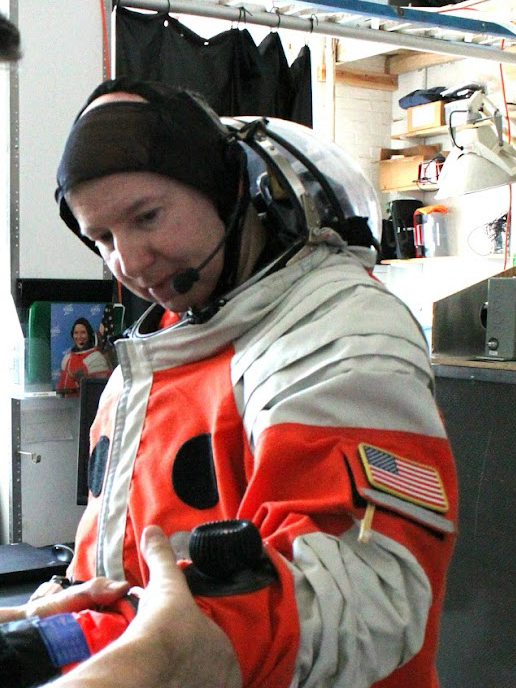
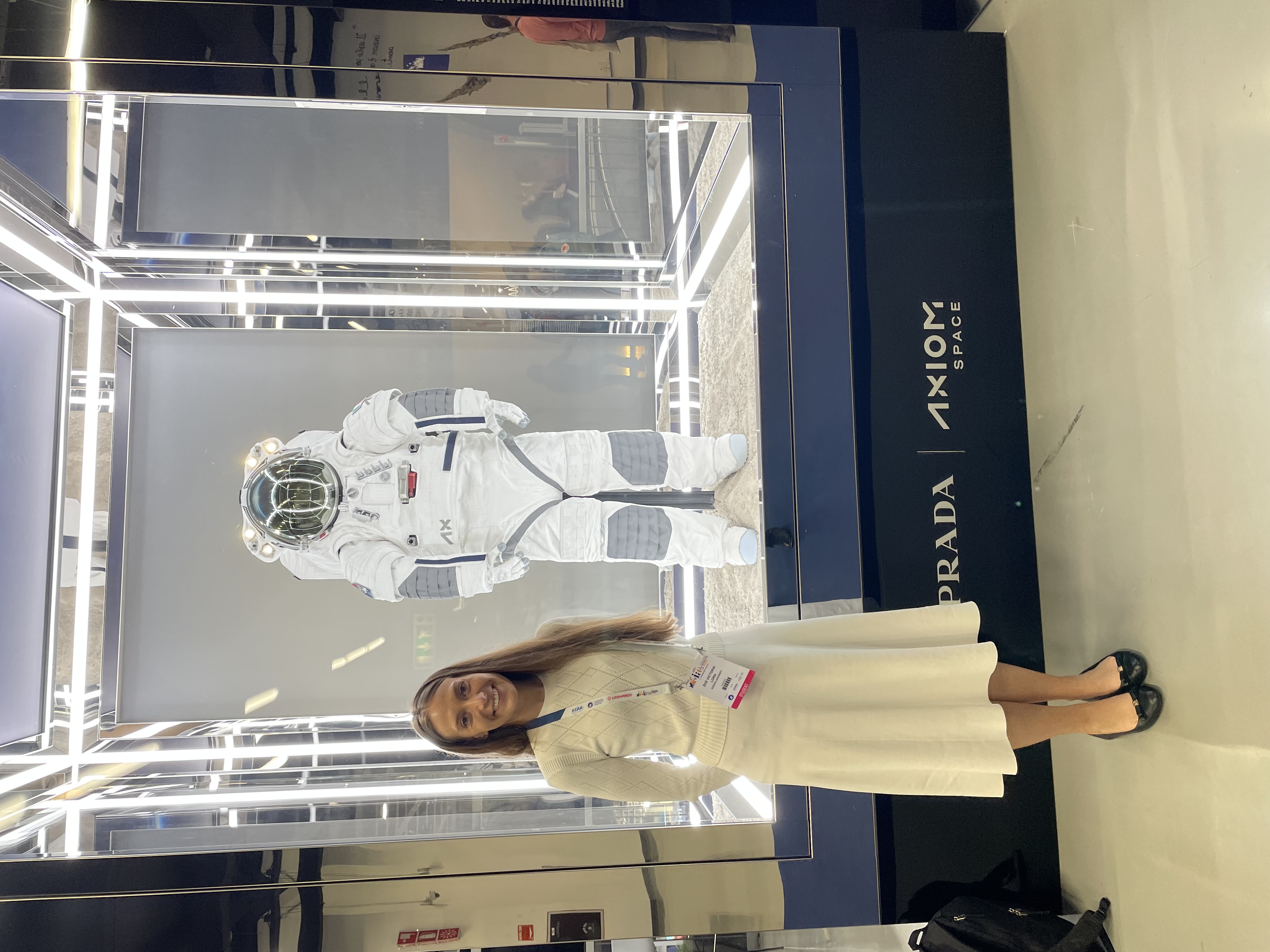
Zoe presented her research findings on two of her space medicine studies. The first, titled Ergonomic Evaluation of Extravehicular Activity (EVA) Systems on Musculoskeletal Strain and Fatigue during Extended Lunar Surface EVAs, was presented in the Life Support, Habitats, and EVA Systems technical session. The second, titled The Pursuit for a “Gold Standard” Cardiopulmonary Resuscitation (CPR) Method for Human Spaceflight: A Novel CPR Testing Platform, was presented in the Medical Care for Humans in Space technical session.

She was also honored to be a recipient of the CSA grant award and selected as one of CSA’s International Space Education Board (ISEB) students to attend the IAC 2024, alongside students supported by JAXA, ESA, NASA, and other ISEB member space agencies.

Zoe Lord at the IAC 2024

Zoe Lord at the IAC 2024 alongside the Prada & Axiom Space next-generation lunar spacesuit.

More Posts

Mission
The Meaning Behind the Mission
Read Article
Research · Analog
Exploring Space Analog Research at GRC
Read Article
Back to Blog

Exploring Space Analog Research at GRC

Have you ever wondered what it would be like to live and work in space? Gravitas Research Corps is delving into this intriguing concept through space analog research.

Space Analog Research at GRC

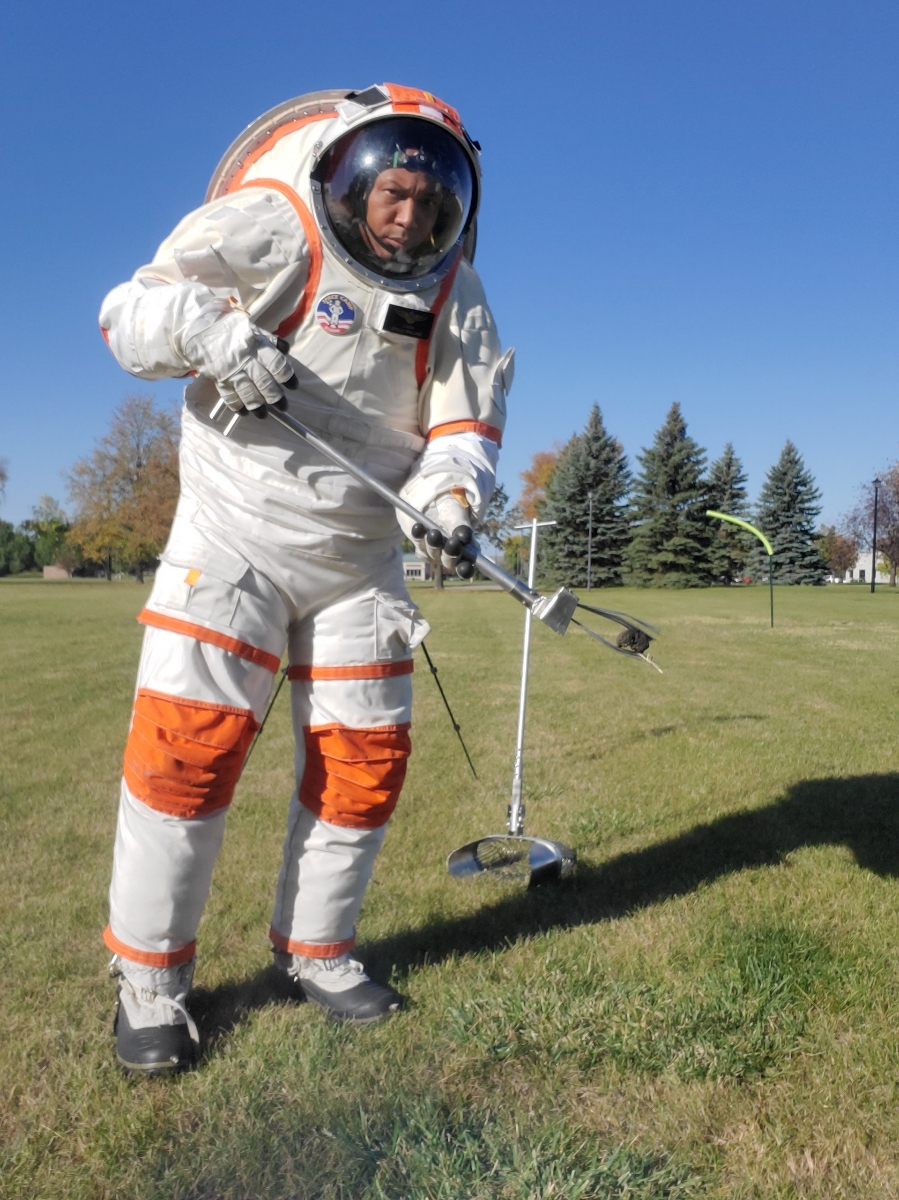
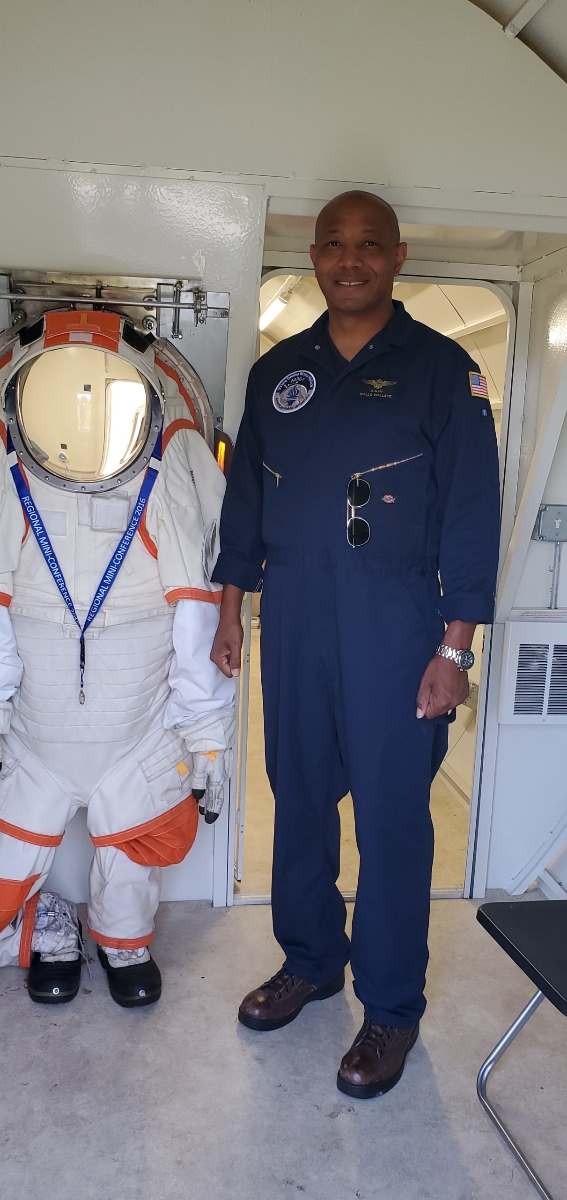
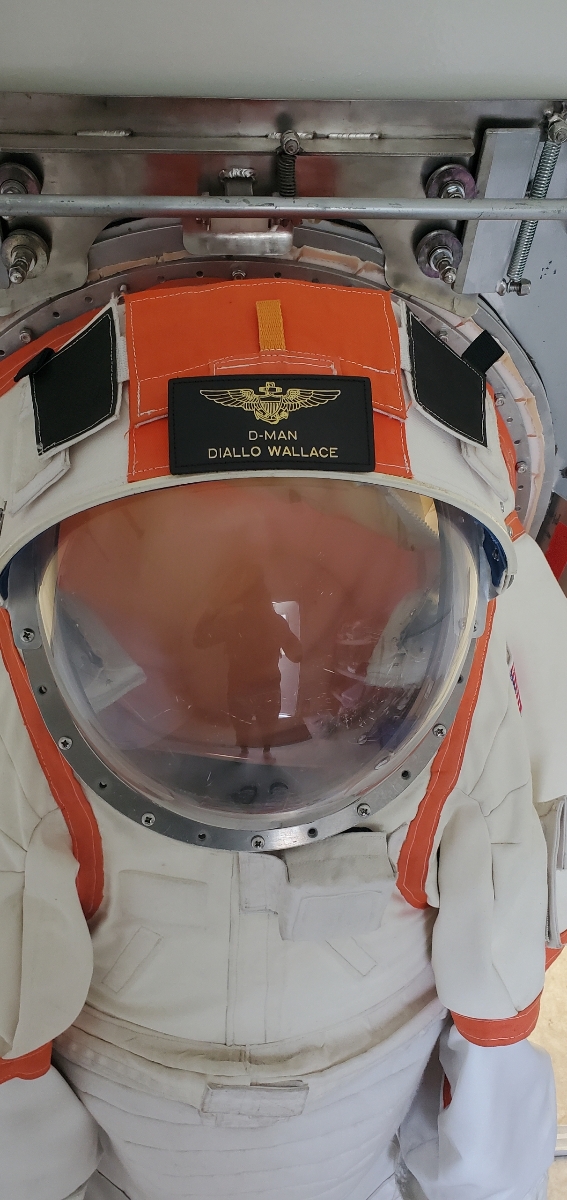
GRC researcher Diallo Wallace conducting field work in a space analog suit.

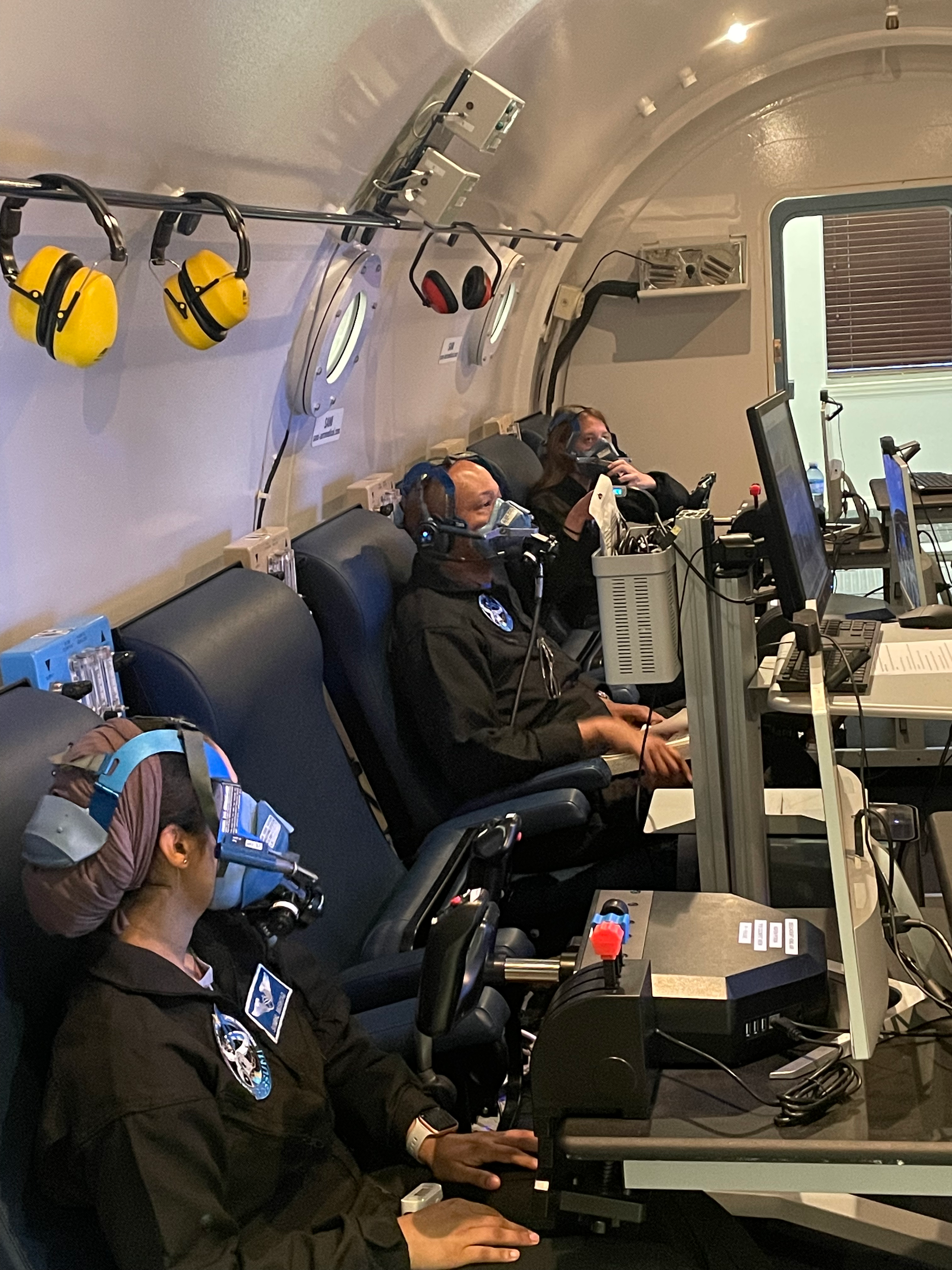
Space analog research involves creating environments on Earth that simulate the conditions of space travel. By studying how individuals adapt to these settings, researchers can gain valuable insights into the physical and psychological challenges of space exploration.

At Gravitas Research Corps, a dedicated team of scientists and researchers are exploring various space analogs to better understand how humans can thrive in space. From isolated habitats to simulated zero-gravity environments, their research is pushing the boundaries of our knowledge about living and working in space.

One of the key focuses of their research is on the long-term impacts of space travel on the human body. By studying the effects of prolonged space missions on astronauts, Gravitas Research Corps is contributing to the development of strategies to protect the health and well-being of future space travelers.

Through their research, Gravitas Research Corps is paving the way for the future of space exploration. Their work has the potential to shape our understanding of how humans can successfully journey beyond Earth and establish a presence in space. If you are interested in learning more about space analog research and the exciting work being done at Gravitas Research Corps, be sure to visit their website for more information. Who knows — you may just discover the key to unlocking the mysteries of space travel.

More Posts

Mission
The Meaning Behind the Mission
Read Article
Event · IAC
Zoe Lord Attends the International Astronautical Congress
Read Article
GRC · The People

Our Team

Meet the Researchers

Diallo Wallace
Diallo Wallace
Research Areas
EVA Space Suit EvaluationOrbital MechanicsDigital Mission Engineering
Career

LCDR, Aerospace Engineering Duty Officer — United States Navy

Education

Ph.D. Candidate, Engineering Education · Purdue University
MS, Astronautical Engineering · Naval Postgraduate School
MBA, Project Management · DeVry University
BA, Mathematics · University of Illinois

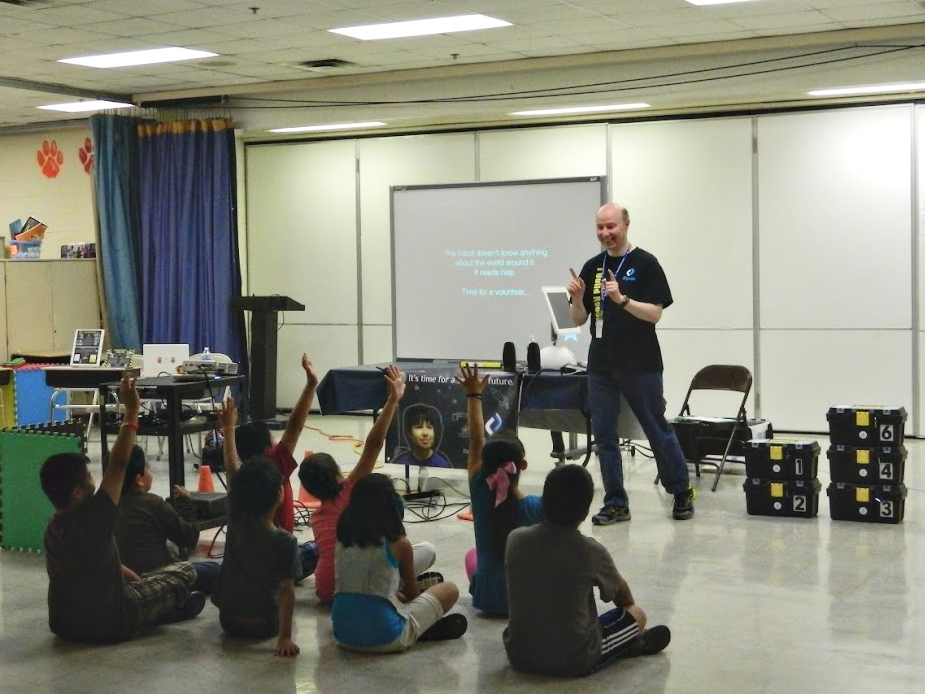
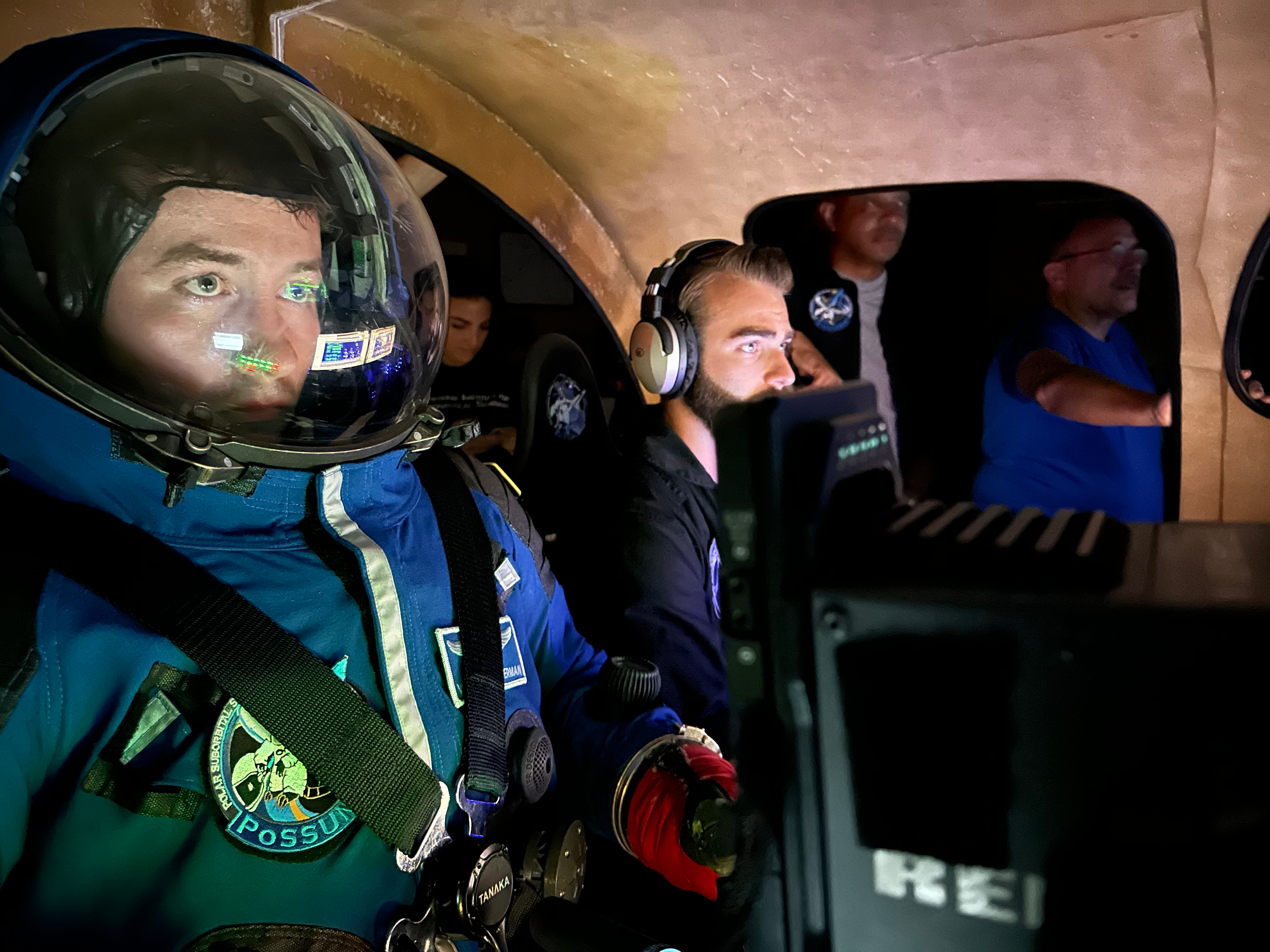
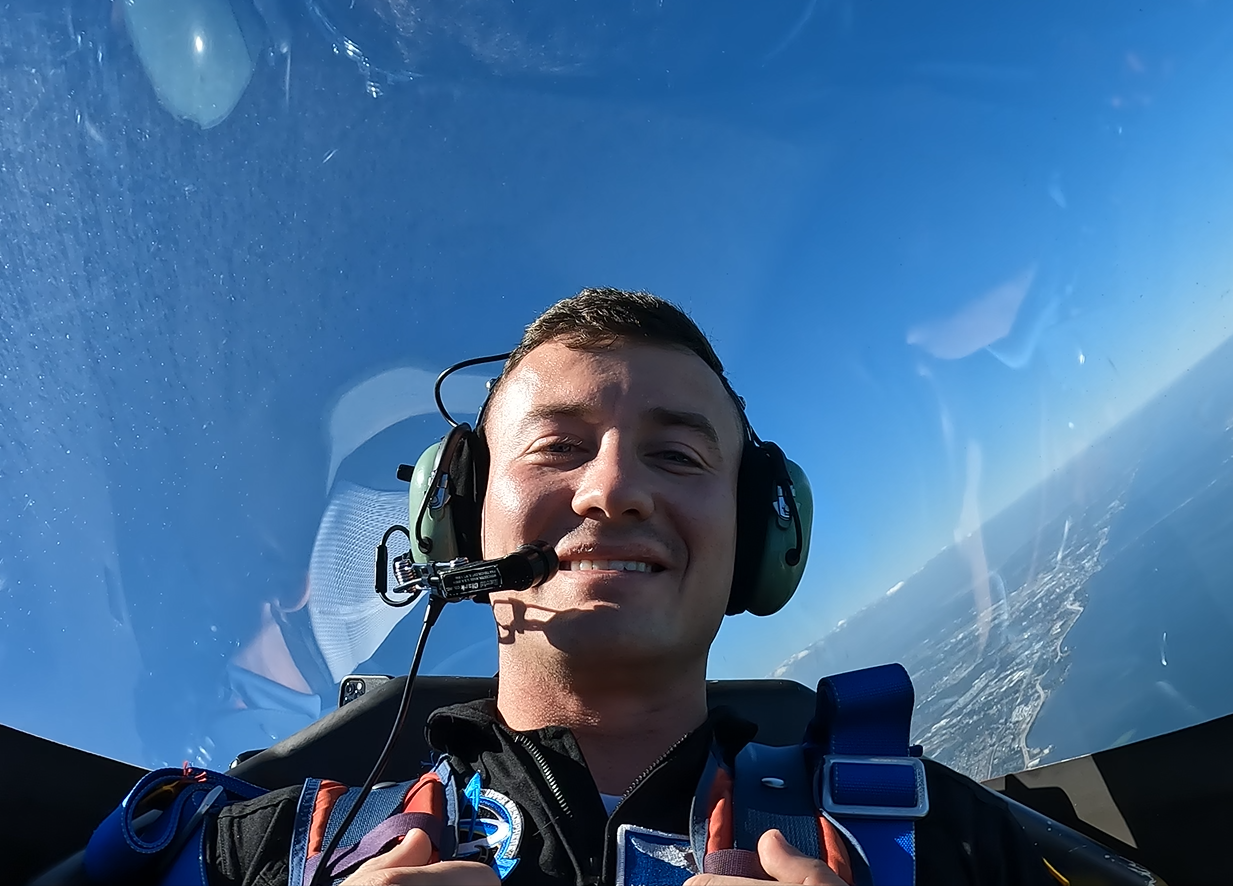
California State Credentialed Teacher in Career Technical Education with experience teaching aviation and engineering to youth. Diallo has presented to the American Society of Engineering Education on the gains of incorporating computation and computer programming in K–12 curriculums, and has presented at NASA’s Space Exploration Educators Conference. In his military capacity, he serves in the Department of Aerospace Engineering at the United States Naval Academy, instructing aeronautics, astronautics, and MATLAB courses. He is Officer Representative for USNA’s National Society of Black Engineers and the Naval Academy Flight Training Squadron, where he trains and mentors midshipmen for flight school.

Resume / CV
Zoe Lord
Zoe Lord
Research Areas
Space Medicine & BioastronauticsHuman PerformanceVR in STEM Education
Career

Doctoral Researcher in Chemistry Education — Queen’s University

Education

Ph.D. Candidate, Chemistry · Queen’s University
Bioastronautics Certificate, EVA Space Suit Evaluation · IIAS
B.Sc. Chemistry & Biology Minor · Concordia University
B.Sc. Behavioral Neuroscience · Concordia University

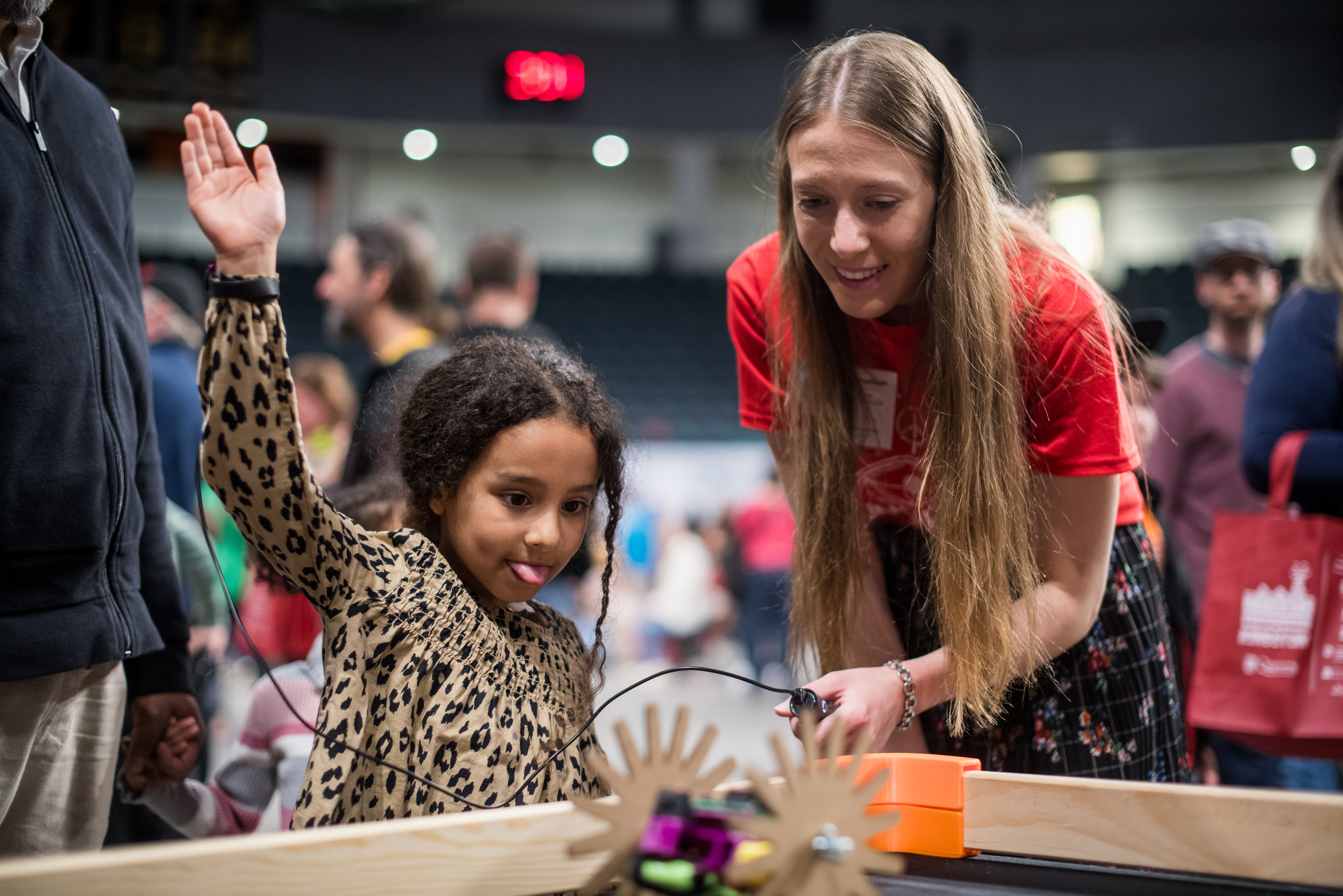
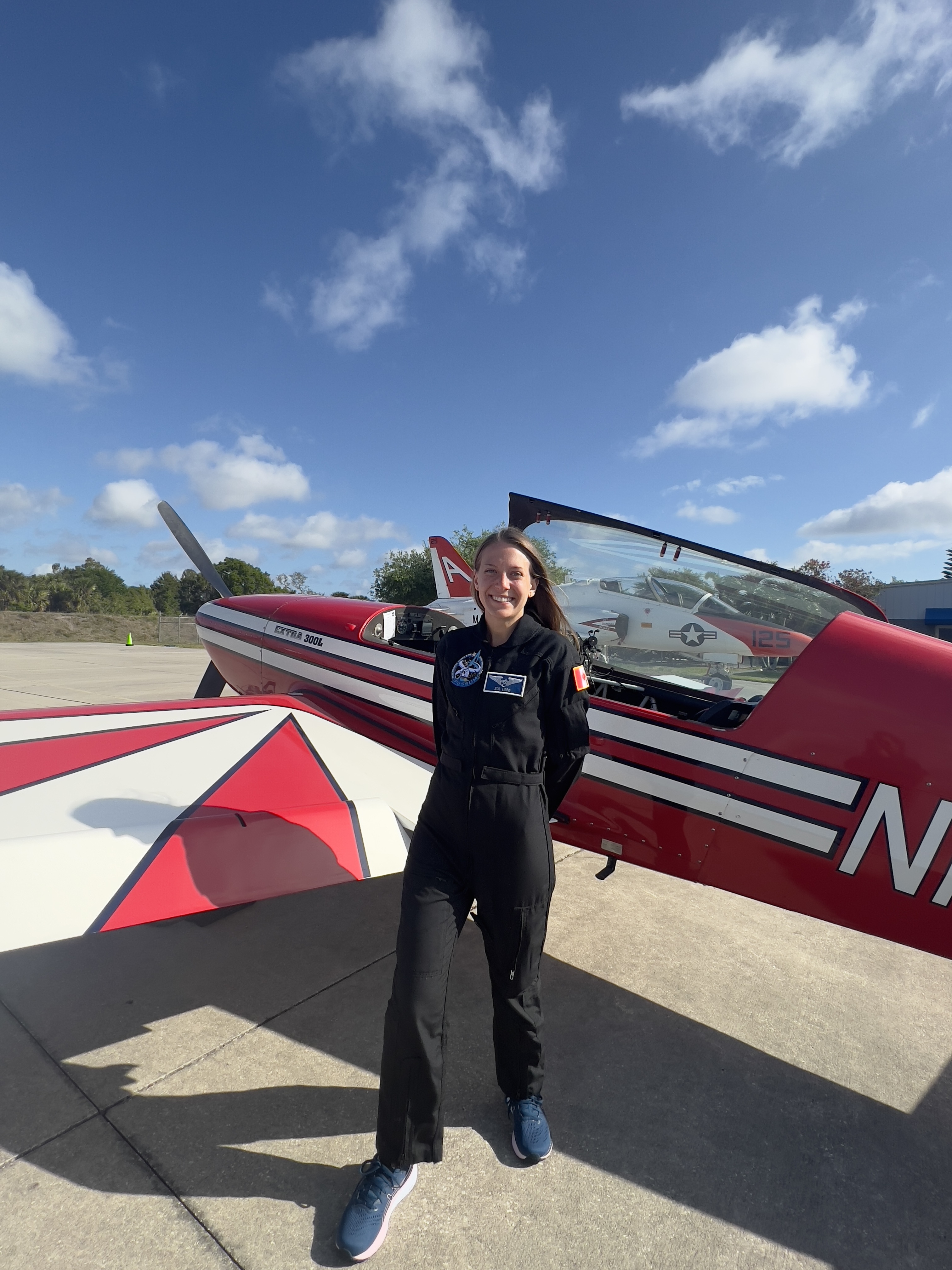
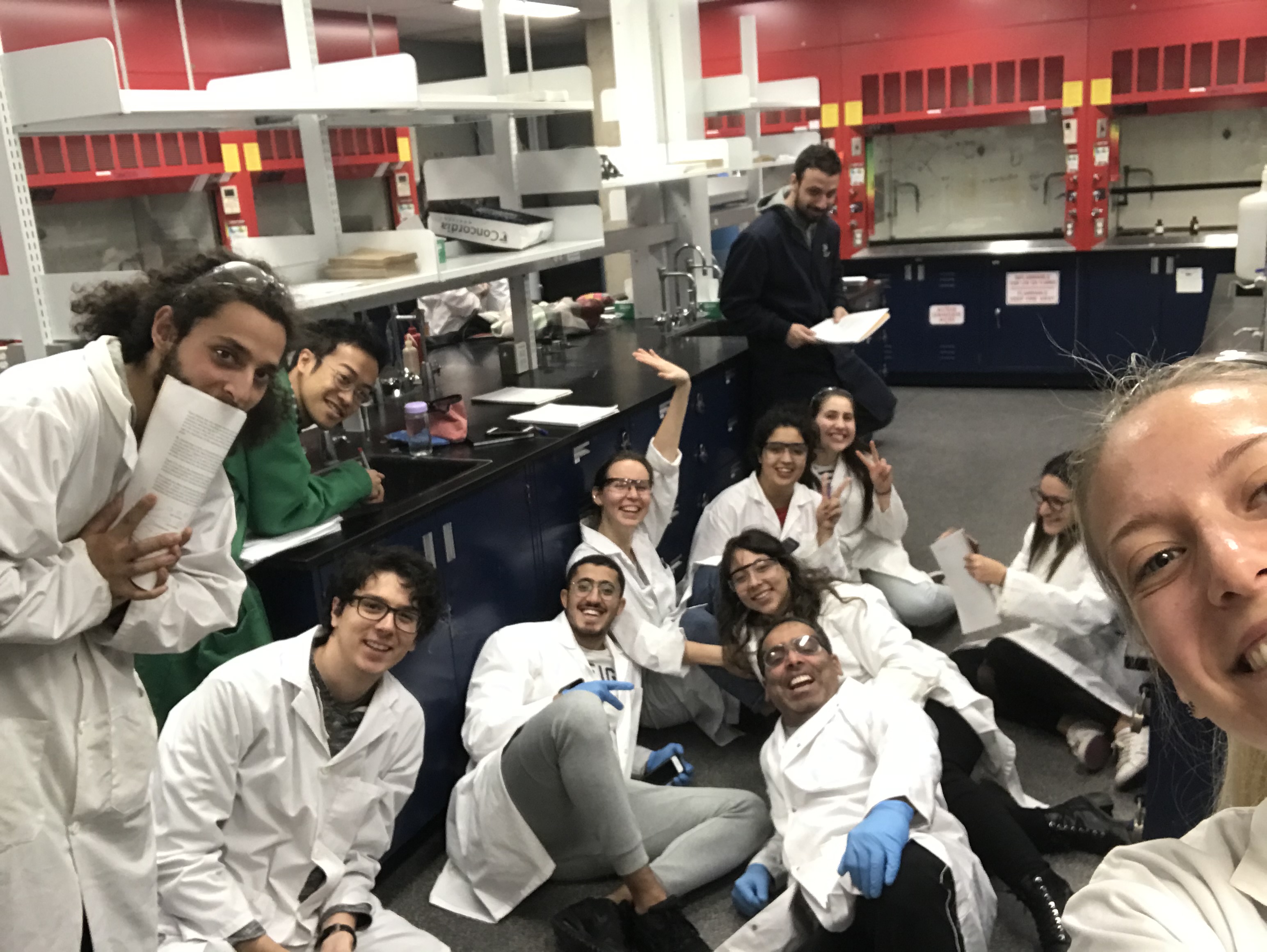
Zoe is a doctoral researcher and bioastronautics specialist whose work spans space medicine, human performance, and the intersection of neuroscience and spaceflight. She has presented two peer-reviewed studies at the International Astronautical Congress — one on EVA ergonomics and musculoskeletal strain during lunar surface operations, and another on CPR methodology for human spaceflight. She was selected as a CSA–ISEB scholar to attend IAC 2024 alongside students supported by JAXA, ESA, and NASA.

Resume / CV
Vladislav Berman
Vlad Berman
Research Areas
Space Systems & Astronautical Eng.Astronaut FitnessMission Design & Operations
Career

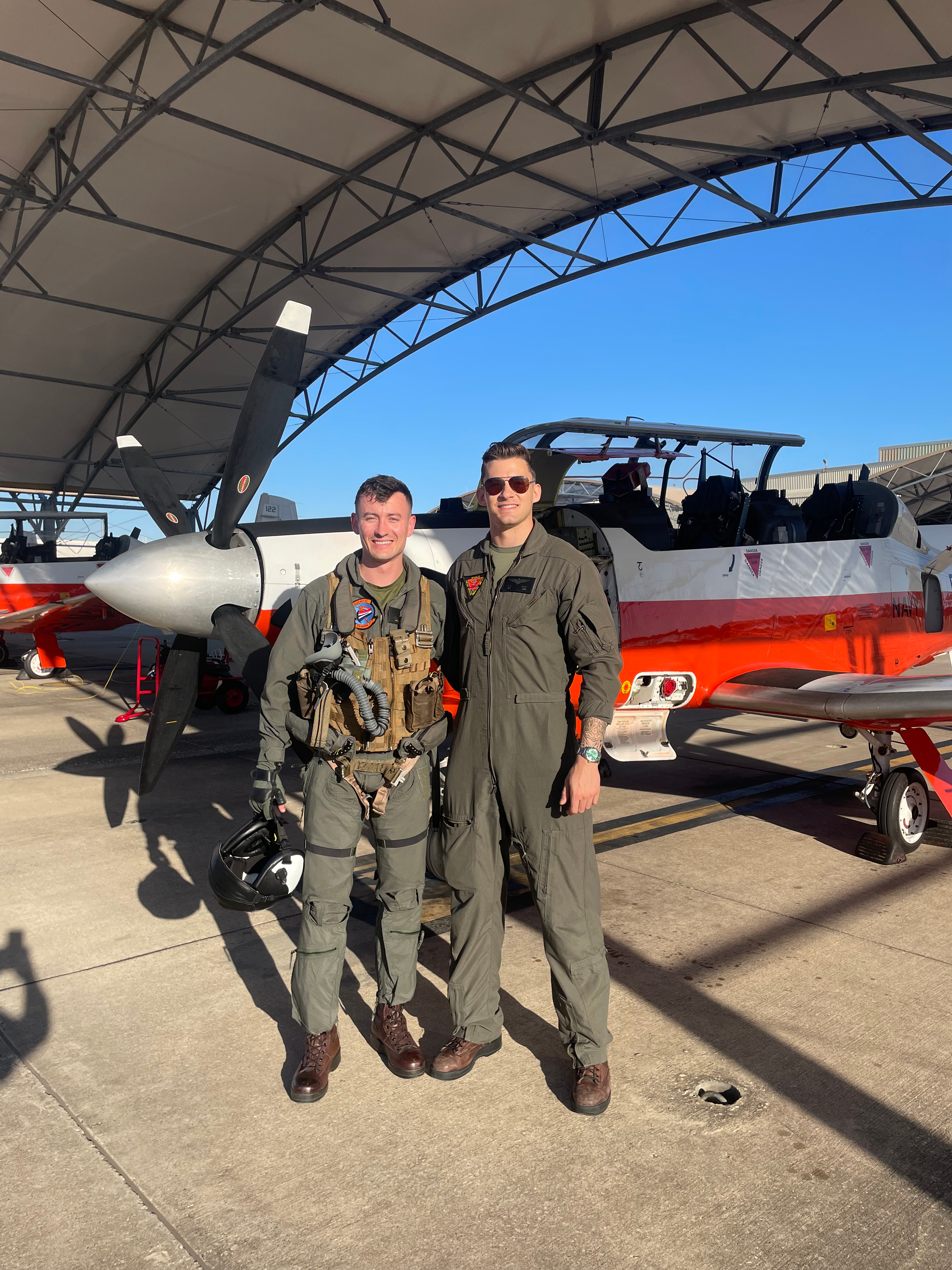
1st Lt., Helicopter Naval Aviator — United States Marine Corps

Education

MS, Astronautical Engineering · University of Southern California
MEng, Mechanical Engineering · University of Hartford
BS, Mechanical Engineering · Purdue University

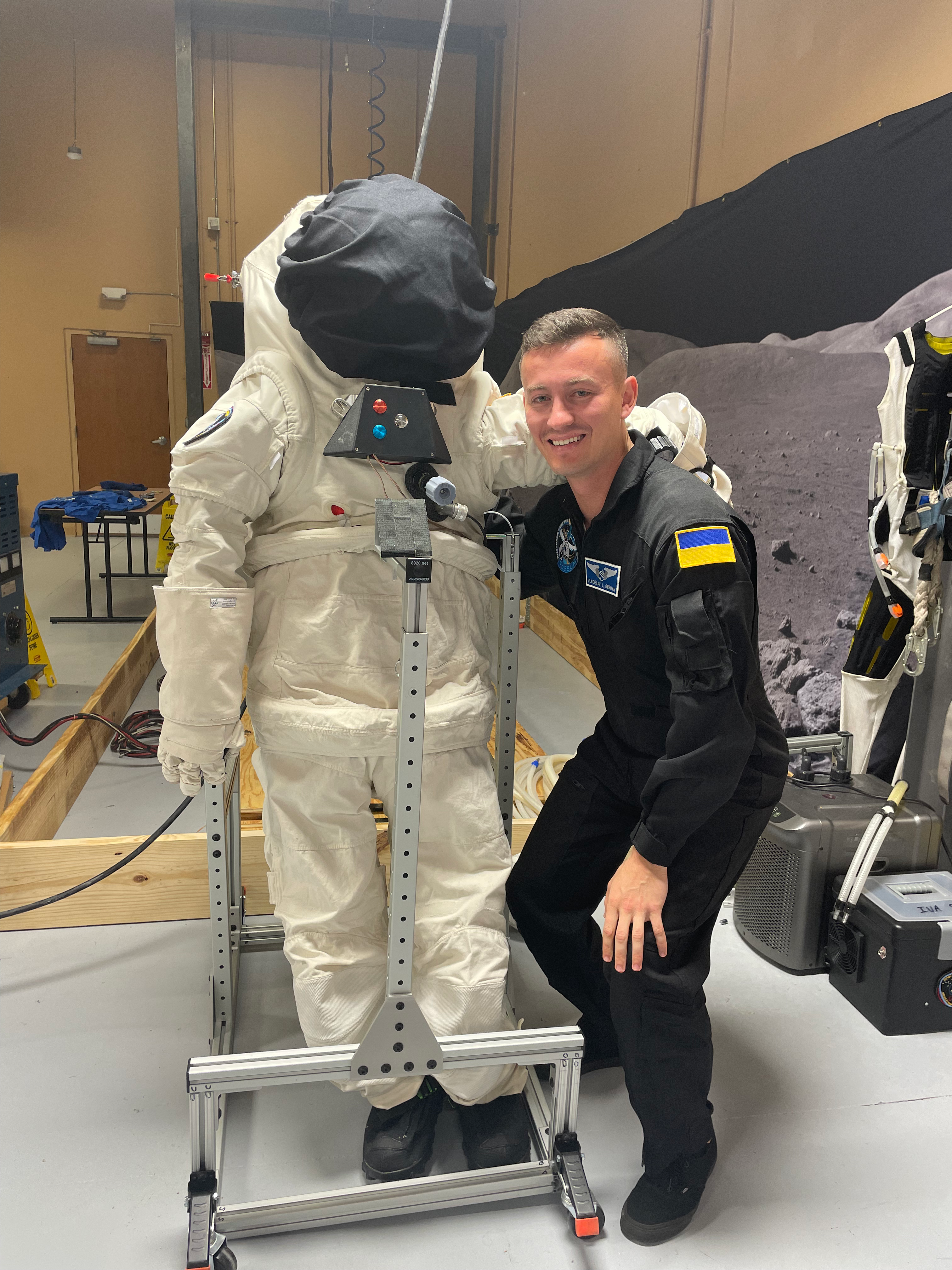
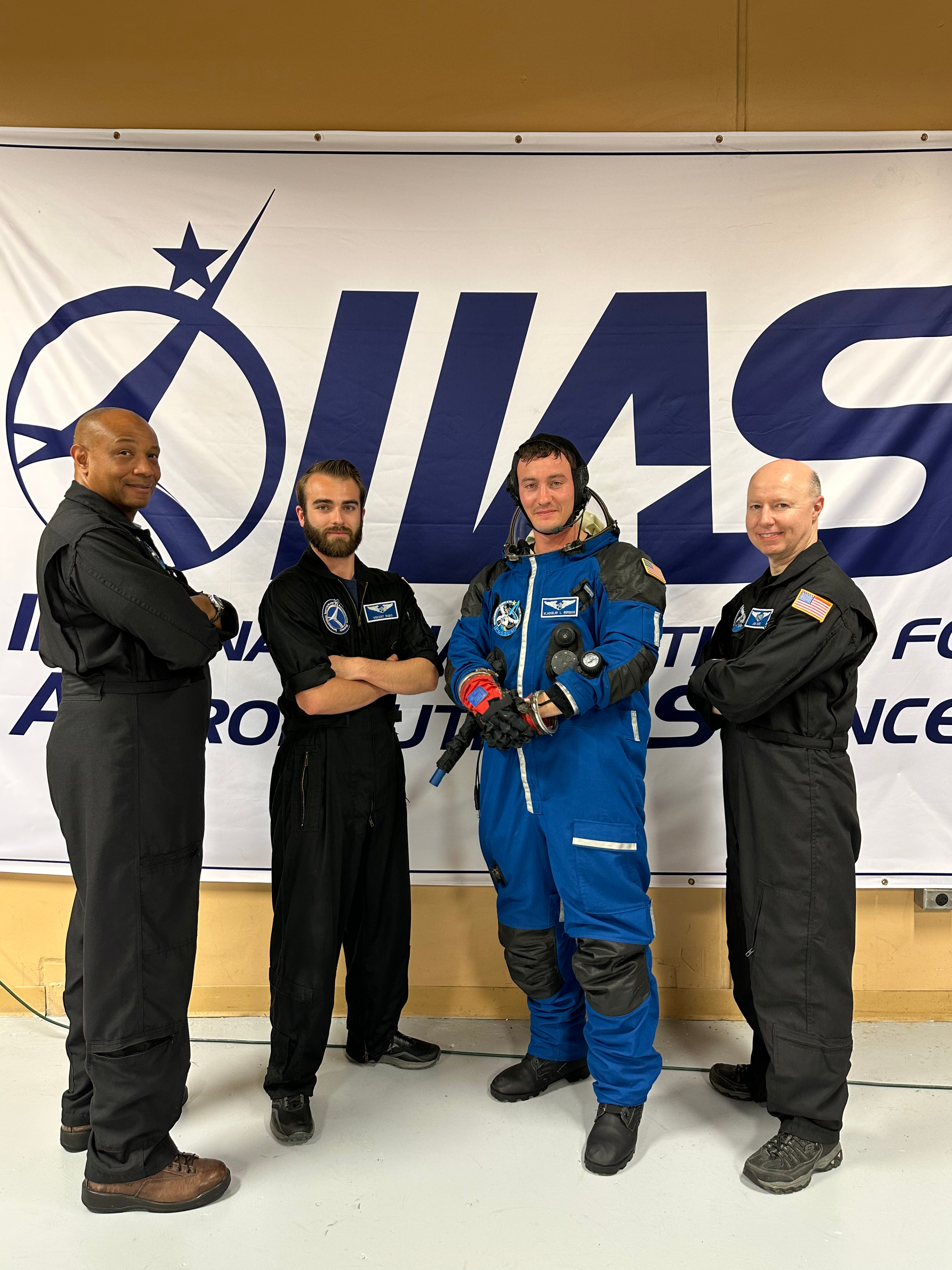
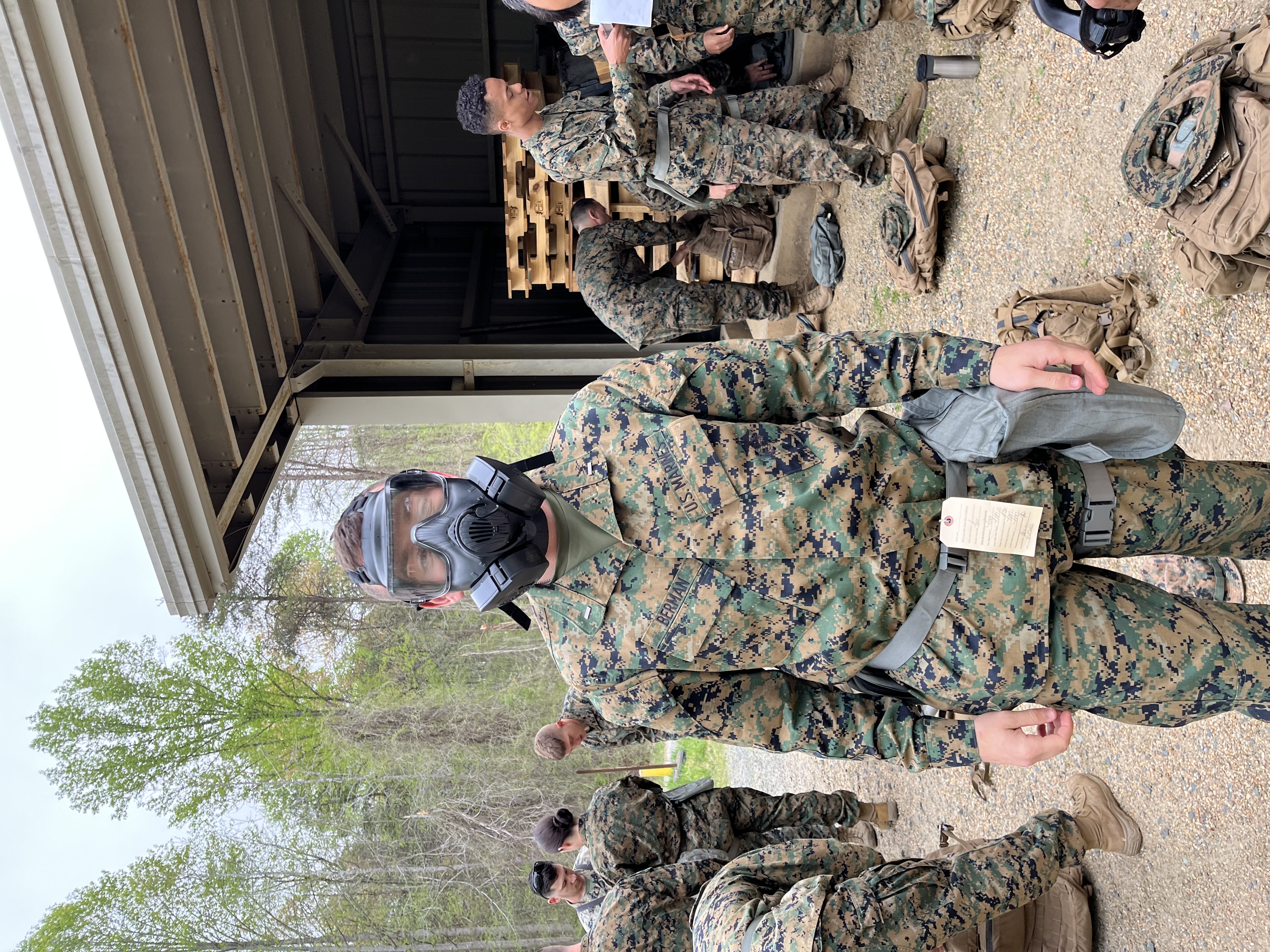
Born in Ukraine and raised in Texas, Vlad has pursued an unwavering path toward astronaut candidacy. After earning his BS at Purdue on a full academic scholarship, he worked as a sales engineer at Honeywell before commissioning as a Marine officer in March 2022. He attended Project PoSSUM at Florida Tech, a Citizen-Science Astronaut Program, and is currently pursuing a Masters in Astronautical Engineering at USC’s Viterbi School of Engineering — all while serving as an active-duty Marine and Student Naval Aviator. His long-term goal is to attend Test Pilot School, the Naval Postgraduate School, and ultimately join NASA.

Resume / CV
Jon Kurz
Jon Kurz
Research Areas
Autonomous RoboticsArtificial IntelligenceHabitat Automation
Career

Senior Solutions Architect — Information Technology

Education

M.Sc. Computer Science (Artificial Intelligence) · DePaul University
B.A. Computer Science · Manchester University

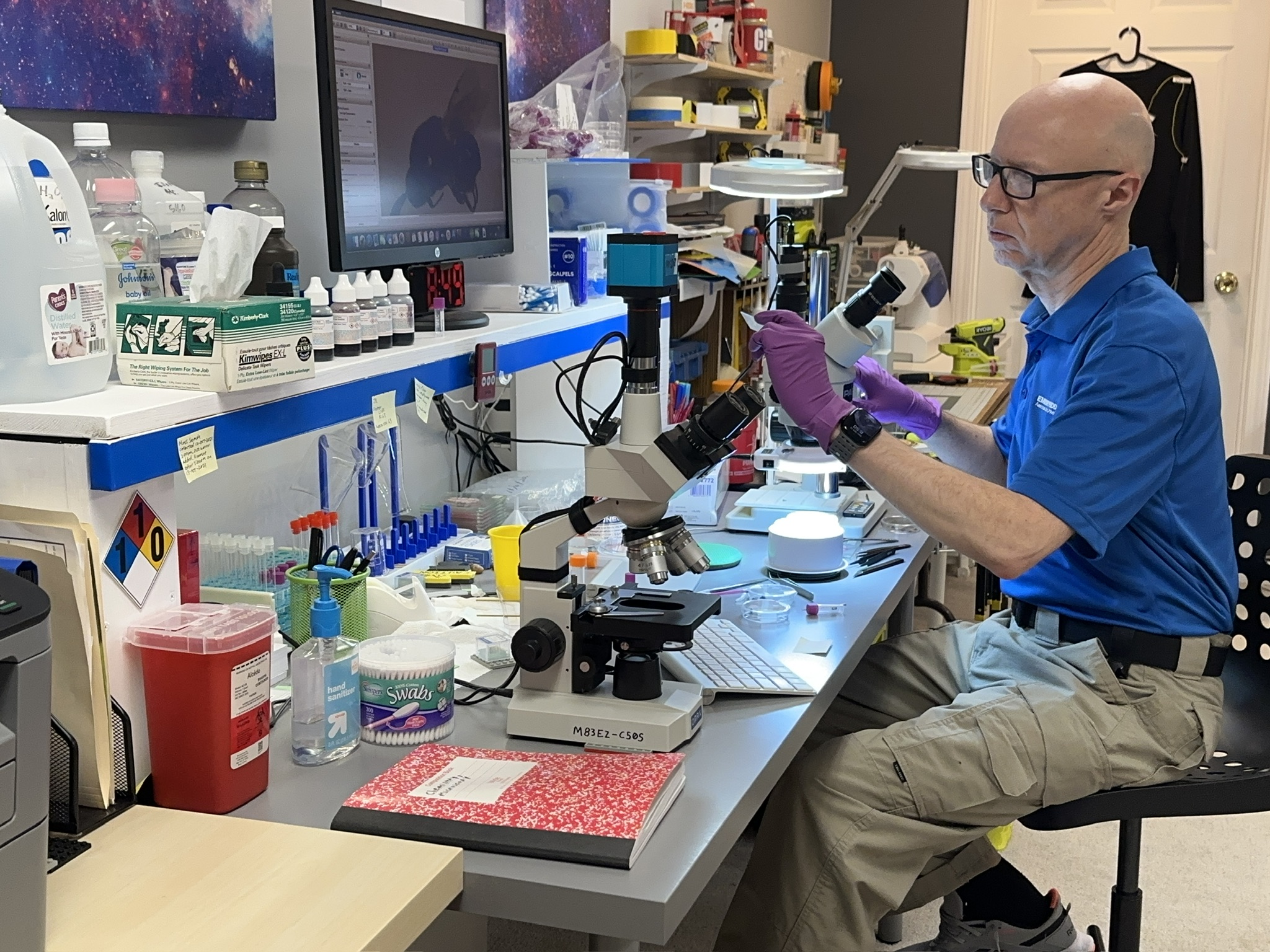
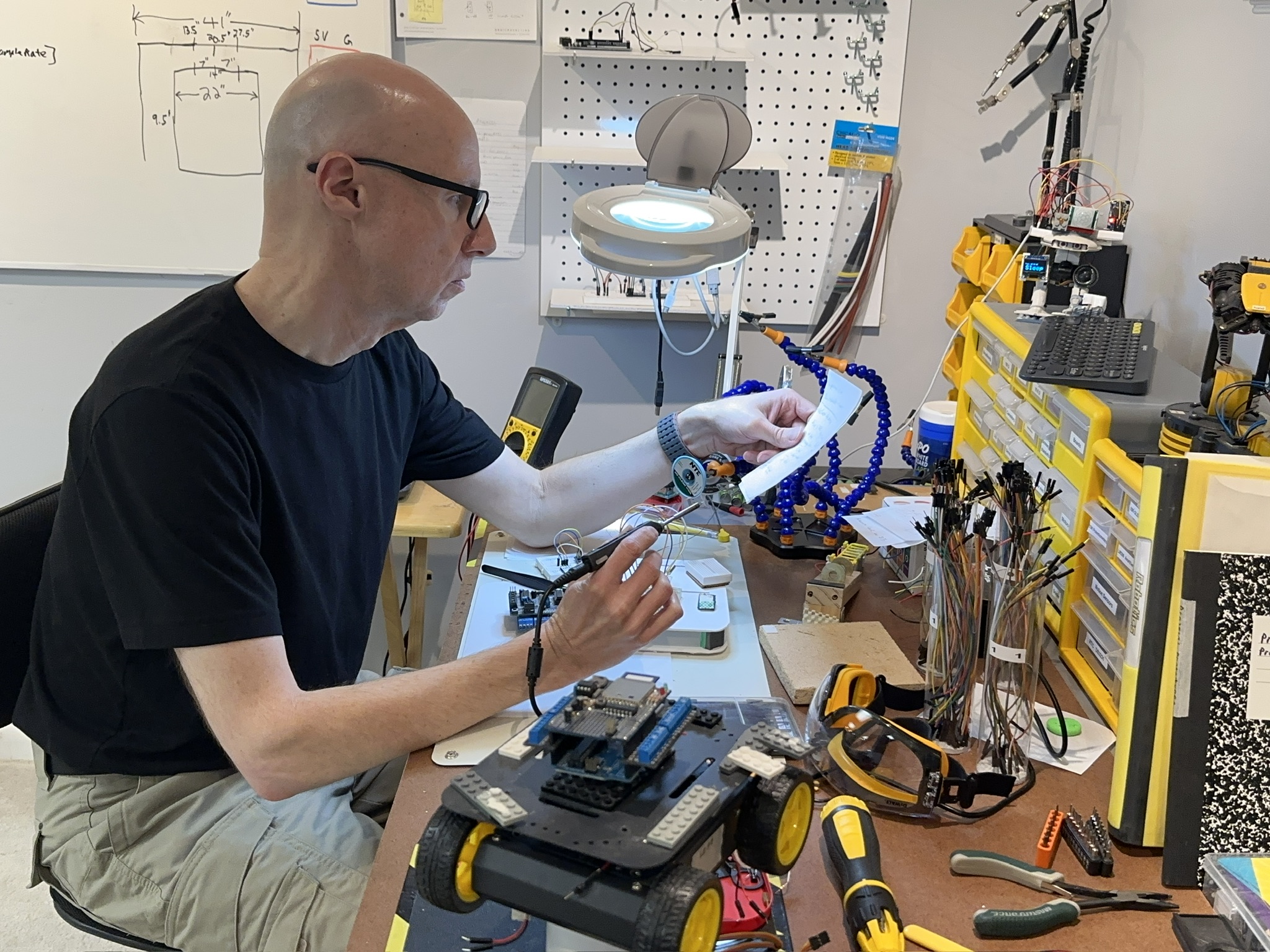
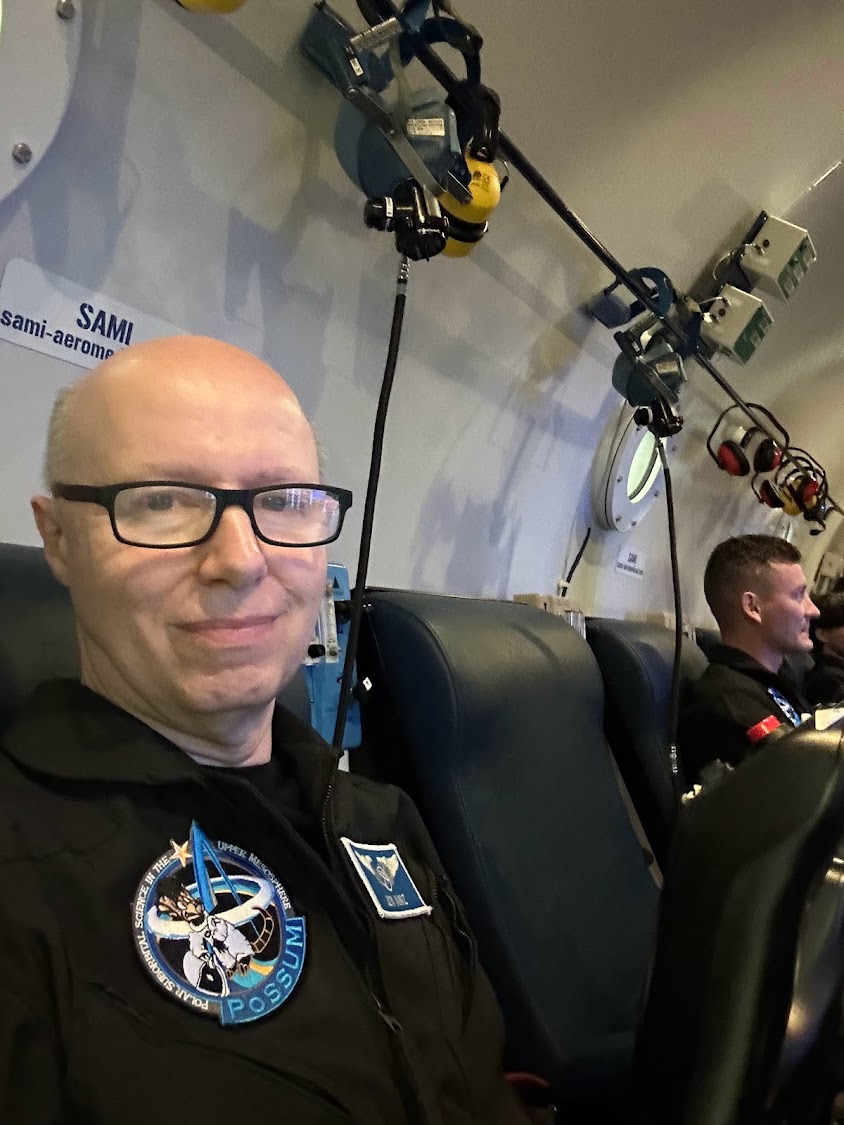
Jon is a senior technology leader specializing in artificial intelligence, autonomous systems, and smart habitat design. His research at GRC focuses on applying AI to monitor and optimize crew health, habitat performance, and operational data streams during analog missions. With a background spanning enterprise systems architecture and advanced AI development, Jon bridges the gap between cutting-edge technology and the practical demands of space analog research.

Resume / CV